Strategic Messaging Architecture
A fictional public safety technology sample showing how Word Sleuth turns positioning, buyer priorities, differentiation, proof, and sales language into a practical messaging system a vendor can use across marketing and sales.
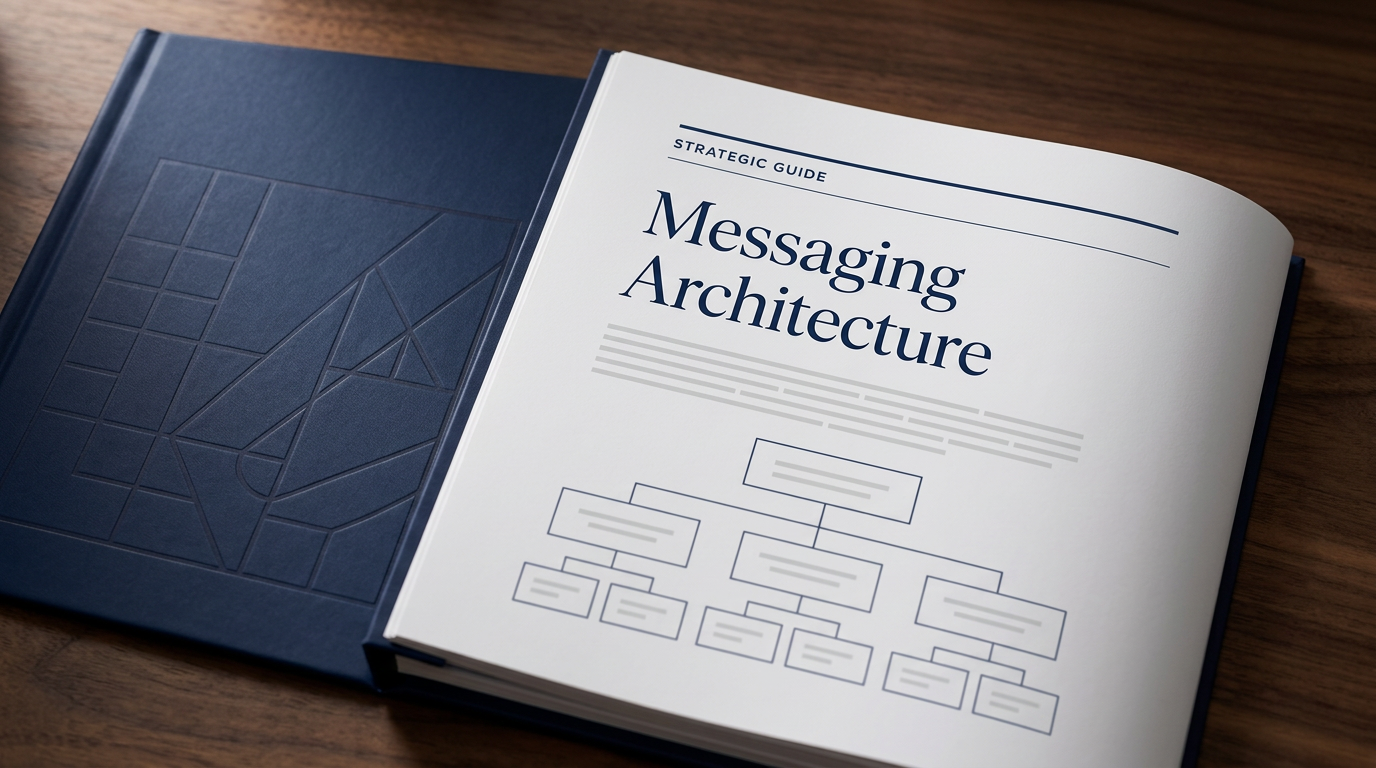
Introduction
Public safety companies often outgrow the messaging that once described them well. Products expand, audiences change, sales teams adapt their language, and website copy gets updated in pieces. Over time, buyers can encounter several different versions of the same company.
This fictional sample shows what a strategic messaging architecture can look like as a client deliverable. Built for VectorPoint Public Safety and its fictional SignalBridge Operations Hub, the document organizes the company’s positioning, buyer problem, stakeholder messages, differentiation, proof strategy, objection handling, discovery guidance, website language, and messaging principles and guardrails into one usable framework.
The goal is to give sales, marketing, leadership, and product teams a shared foundation for explaining the company while still allowing the message to adapt to different audiences and stages of the buying process.
What the sample demonstrates
- Strategic positioning and message hierarchy
- Buyer problem and operational outcome framing
- Stakeholder-specific messaging
- Capability-to-outcome translation
- Differentiation strategy
- Proof and credibility guidance
- Objection-handling language
- Discovery conversation guidance
- Website and sales messaging
- Terminology and messaging guardrails
- Channel application and implementation priorities
Strategic focus
The sample is designed as a working messaging system, not a brand document that disappears into a shared drive after approval. Each section gives the vendor language, guidance, or decision rules that can be applied to actual buyer-facing materials.
For public safety vendors, that means keeping the core story consistent while accounting for the different concerns an operational champion, command leader, IT reviewer, procurement professional, or executive stakeholder may bring into the decision.
Portfolio summary
- Objective
- Create a usable messaging architecture that gives a public safety technology vendor a shared foundation for positioning, sales, website, and buyer-facing communications.
- Strategic focus
- Positioning clarity, buyer relevance, stakeholder alignment, differentiation, proof, objection handling, and consistency across the revenue process.
- Deliverables demonstrated
- Positioning architecture, message hierarchy, stakeholder messaging, capability translation, differentiation framework, proof guidance, objection handling, discovery guidance, website and sales language, and messaging guardrails.
- Format
- Fictionalized client-deliverable sample showing the type of strategic messaging system Word Sleuth can provide to companies serving public safety and justice system agencies.
Why this matters
A sales deck, email, or objection response has a job beyond sounding polished. It should help a buyer understand the problem, evaluate the tradeoffs, explain the value internally, and move the decision forward.
When those assets tell different versions of the story, sales teams end up translating the company’s value in real time. Buyers receive inconsistent messages. Internal champions have less useful language to carry into procurement, leadership, IT, finance, or governing-body conversations.
Word Sleuth develops messaging architecture that connects what a company sells to the operational problem it solves, the uncertainty buyers must resolve, and the internal conversations required to reach a decision.
View the strategic messaging architecture sample
Read the full fictionalized sample to see how positioning, buyer priorities, and sales language come together in one usable messaging system.
Download the PDFThis is a fictionalized portfolio sample created to demonstrate the type of strategic messaging architecture Word Sleuth Agency can develop for companies serving public safety and justice system markets. The company, product, and messaging are illustrative.
Your teams should not have to reinvent the company story every time they create a sales deck, product page, or campaign.
A messaging architecture gives them a stronger place to start.